
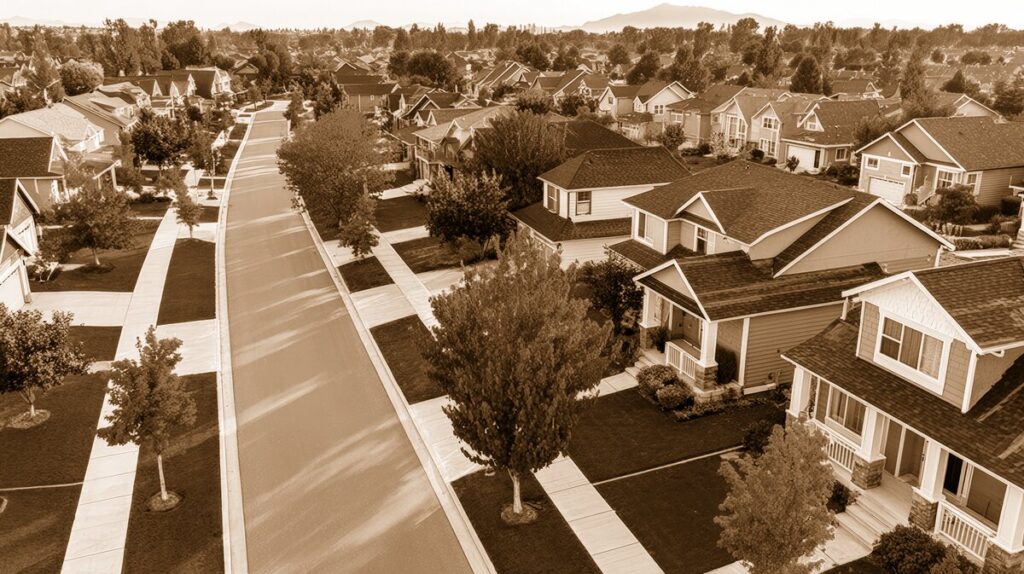
Nestled along the gentle curves of Chestnut Street, just east of the heart of East Longmeadow, lies a neighborhood that perfectly balances historic charm with modern living: The Fields at Chestnut. To someone just passing through, it might seem like a newer residential enclave, but those who call The Fields home know its story runs much deeper—rooted in local history, pastoral beauty, and a remarkable sense of community.
Origins: From Rolling Farmlands to a Flourishing Neighborhood
Long before the first homes went up, the area now known as The Fields at Chestnut was prized for its fertile soil and rolling fields. For generations, East Longmeadow’s rich agricultural land was a cornerstone of the community, with Chestnut Street serving as a main artery connecting family farms and rural homesteads. The name “Chestnut” itself is a tribute to the stately chestnut trees that once lined the road, providing both shade and a landmark for travelers.
During East Longmeadow’s early years in the 1800s, the land comprising The Fields saw waves of immigrant families establish farms here—growing corn, tobacco, and vegetables that would supply local markets and sustain families. Many of the original stone walls that bordered these fields can still be glimpsed, especially near the intersection with Prospect Street and neighboring Woodlawn Avenue, silent witnesses to an era gone by.
How The Fields at Chestnut Got Its Name
As East Longmeadow expanded in the late 20th and early 21st centuries, the Town recognized the need for new housing that respected the area’s rural roots. Developers and town officials worked together to create a residential area that preserved the site’s open feel and heritage—it was christened “The Fields at Chestnut” in homage to the landscape’s agricultural past and the avenue that has always been its gateway.
The name evokes images of broad meadows and histories entwined with the land. Many residents affectionately call it “The Fields,” keeping the connection to history alive in everyday conversation.
Key Historical Milestones
- Early 1800s: Chestnut Street becomes a key farm route as East Longmeadow is formed out of Longmeadow’s rural western edge.
- Mid-20th Century: The surrounding lands serve as open pastures and family-owned farms, with fields stretching across what are now meticulously landscaped lawns and cozy cul-de-sacs.
- 2000s: Visionary planning transforms the area into The Fields at Chestnut, one of the town’s premier neighborhoods for families, retirees, and young professionals alike.
- 2020s: The Fields continues to thrive, blending classic New England architecture with state-of-the-art amenities, while honoring the land’s story with walking paths that trace original property lines.
Notable Landmarks and Neighborhood Features
While The Fields at Chestnut is best known for its picturesque homes and beautifully maintained streets like Chestnut Street, Fieldstone Drive, and Mulberry Lane, several key features make the area especially unique:
- The Preserved Green Spaces: Several small parks and walking trails, such as those near Old Farm Road, capture the area’s heritage, allowing neighbors to stroll along the edges of what were once active pastures.
- Proximity to Heritage Park: Just west of The Fields, Heritage Park forms a natural extension of the community. With ponds, playgrounds, and fields, it’s a favorite gathering place for picnics, youth sports games, and seasonal events.
- The Chestnut Street Fence Line: On morning walks, you’ll notice remnants of old timber fences and fieldstone boundaries. These traces are both scenic and historical, quietly marking the footprints of previous generations.
Evolution: Adapting and Thriving Through the Decades
What truly sets The Fields at Chestnut apart is its thoughtful evolution—from farmland to flourishing suburban retreat. Development guidelines ensured larger lots, quiet streets, and extensive landscaping. Many homes reflect the colonial and craftsman styles that are a hallmark of New England, with welcoming porches and native plantings.
As new families arrived, The Fields quickly became known for its block parties, neighborly gatherings, and a culture that encourages community involvement. The annual fall festival, which began as a small neighborhood potluck under the oak trees on Fieldstone Drive, is now one of the highlights of the season for all of East Longmeadow.
Local institutions, like the nearby East Longmeadow Public Library and the historic First Congregational Church, have long ties to residents here—whether hosting book clubs, town meetings, or concerts. Many children from The Fields attend Mountain View School, and the school bus stop at the corner of Chestnut and Woodlawn reminds everyone how interconnected the neighborhood truly is.
What Makes The Fields at Chestnut Special Today
Ask any longtime resident what makes The Fields at Chestnut stand apart, and you’ll hear stories of lifelong friendships, kids riding bikes to Heritage Park, or the peaceful sounds of birds returning each spring. The pace of life here remains tranquil, rooted in the easy rhythm of old farm roads, now transformed into winding streets.
- The overwhelming sense of history—you’ll find more than a few grandparent-grandchild duos out exploring where the stonewalls meet the woods.
- Community pride, reflected in beautifully kept properties, seasonal decorations, and the always-welcoming spirit of neighbors.
- An ideal blend of town convenience and rural tranquility—with shops, schools, and sports leagues all within a five-minute drive, yet still a world apart from the bustle of city life.
Preserving Heritage, Embracing the Future
The Fields at Chestnut stands as a beacon of how thoughtful planning can preserve a neighborhood’s heritage while making room for new memories and traditions. The pride of those who call it home is palpable, from the perfectly tended flower beds to the stories shared at neighborly cookouts.
Whether you’re walking your dog along Chestnut Street at sunrise or admiring the leaves changing colors from your front porch, The Fields at Chestnut offers the rare gift of a neighborhood that remembers where it came from—and looks eagerly toward the future. To visit is to step into a living chapter of East Longmeadow’s story, one that continues to grow with every new family and every changing season.